Burglary prevention is less about buying the most expensive gear and more about creating layers that slow, expose, and discourage an intruder. When you build those layers thoughtfully, you shift the odds in your favor without turning your home into a fortress. This guide draws on real installations, common mistakes I’ve seen in the field, and the judgment calls that separate flashy gadgets from the measures that actually keep families safe.
How burglars actually pick targets
Most residential break-ins aren’t Hollywood heists. They’re quick, opportunistic, and aim to avoid people and attention. Offenders look for easy entries near cover, lax routines like weekday mornings when homes are empty, and telltale signs that no one’s watching. A crowbar on a rear slider is more common than glass cutters on a showcase window. The average burglary lasts under 10 minutes, often under 5 when an alarm sounds. Your goal is simple: make yours the hardest house on the block to hit without ruining daily life.
In Fremont and similar suburban cities, patterns vary by neighborhood. Near busy corridors like Fremont Boulevard, you’ll see more smash‑and‑grab attempts on front doors and garage entries. In quieter cul‑de‑sacs, side gates and rear windows are the first probe. Keep an eye on police beat reports and local forums for real context, not just headlines.
Layer one: visible deterrence that makes them think twice
Burglars scan in seconds. What they see in that first glance matters more than the gear hidden inside.
Start with the face of the home. A clean, well‑lit entry sends a message that someone pays attention. Trim hedges down from window height. Use house numbers that are easily visible at night so officers or neighbors can find you quickly if they need to. If you have a fence, make sure the latch and hinges are in good shape and not easily lifted off.
Lighting still does heavy lifting. I prefer warm, not harsh, LEDs on a dusk‑to‑dawn sensor, paired with focused motion lighting covering the driveway, side yard, and rear patio. Set motion lights to a short on‑time and moderate sensitivity so the neighborhood cat doesn’t keep your yard lit up like a stadium. Place fixtures high enough to resist tampering, but not so high that they wash out the area.
Visible cameras change behavior. A camera above the front door and another overlooking the driveway create the sense of coverage. Add a sign that you use recording equipment. It doesn’t have to be a billboard. A small, professional placard near eye level at the gate is enough. Avoid novelty signs that suggest stashes or vigilantism. Those backfire.
Finally, keep the basics tight. A steel‑reinforced strike plate with 3‑inch screws on your front door prevents the classic shoulder‑check entry. If you have a glass sidelight beside the lock, swap to a double‑cylinder deadbolt or a smart lock with an interior clutch so a broken pane doesn’t equal a free reach‑around. If kids need a quick exit path, balance fire safety with lock choice and teach them the routine.

Layer two: hardening doors, windows, and the garage
Most break‑ins start at a door, not a window. The path of least resistance runs through the weakest jamb or latch.
On main doors, upgrade the slab or add a wraparound reinforcement kit over the latch area. You can keep your existing lock hardware and still boost the door’s resistance to kicks. For the frame, look for a continuous metal strike or at least a multi‑screw strike plate anchored into the studs. Weatherstripping helps keep noise down, which also helps you hear activity outside.
Sliding doors are soft targets. A simple dowel in the track blocks the slide, but better options exist. An anti‑lift pin prevents the panel from being hoisted out of the track, and a foot‑operated secondary lock near the bottom forces a burglar to deal with two different mechanisms. If your slider is old, consider laminated glass. It’s harder to shatter cleanly, and the interlayer slows entry even if cracked.
Windows need layered thinking. Pin locks in double‑hung windows stop someone from prying the sash. For casement windows, the weak point is the latch and crank mechanism. Install a keyed crank or a secondary interior bar. For basement or ground‑level windows, window well covers and polycarbonate glazing add time to the clock. Don’t count on stick‑on sensors alone to defend a flimsy frame.
Garages deserve special attention. The emergency release cord on a typical door can be fished with a wire in seconds if you leave the top panel gap exposed. Install a shield over the release or use a zip‑tie method that still allows a hard pull from inside. Disable external key cylinders you don’t use. Keep the interior door from the garage to the house as secure as your front door with a proper deadbolt and reinforced frame. Many Fremont incidents start with a garage breach followed by a quiet, locked‑door attack that you can stop if that interior door is built right.
Alarms that actually change outcomes
Monitored alarms matter, but not because sirens scare everyone away. They shorten response times and raise risk. The best systems blend perimeter and interior detection so you can use partial arming modes while at home.
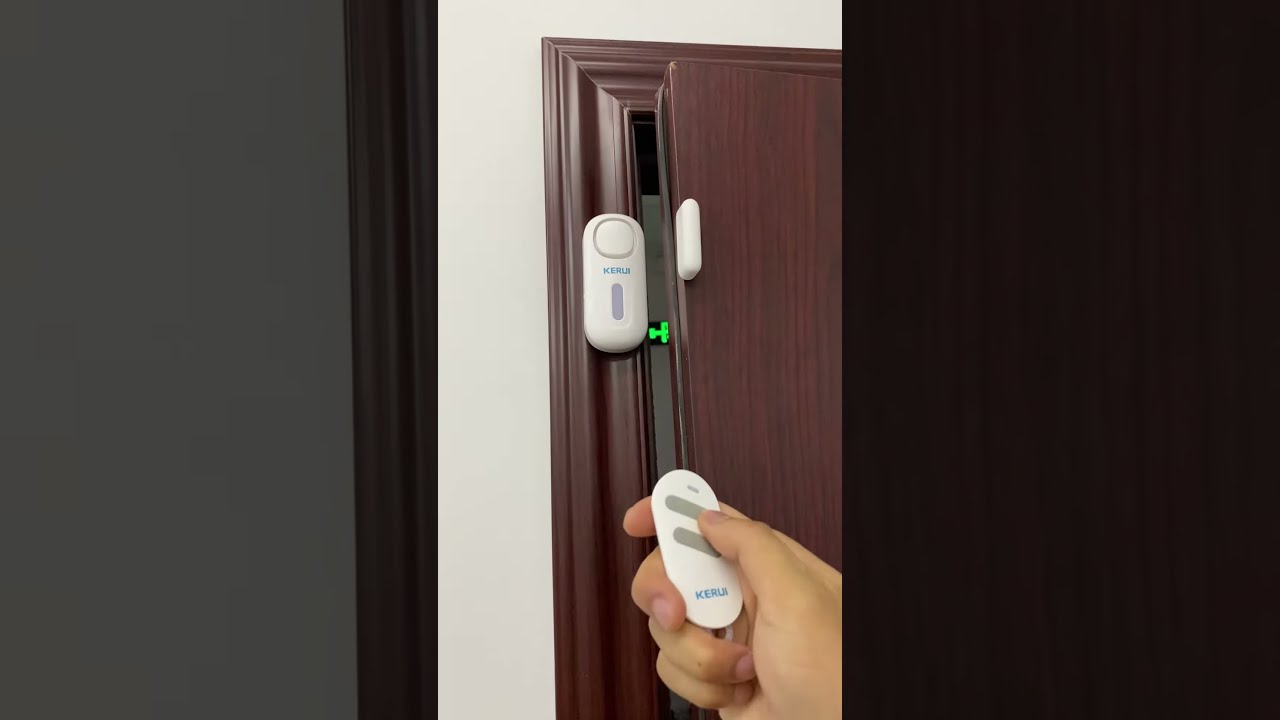
Door and window contacts give you quiet perimeter coverage. Glass‑break sensors help in rooms with large spans of glass, especially open layouts. For interior protection, I like a mix of motion and door contacts into the primary areas a burglar must cross, such as the path from rear slider to master bedroom. With pets, choose motion detectors with adjustable sensitivity or install them higher and angled to avoid false alarms.
Professional monitoring in the Fremont area typically dispatches through Alameda County protocols. Expect a verification call, then police dispatch if you confirm. Self‑monitoring can work if you respond instantly, but delays kill effectiveness. If you travel or have spotty reception, monitored service pays for itself the first time it keeps a burglary from becoming a clean getaway.
Place a siren inside near the entry corridor and another in the garage. The wall‑of‑sound effect compels a retreat and alerts neighbors. Test monthly. I’ve seen more “silent” sirens than you’d think due to a tripped tamper or a low backup battery.
Cameras that provide evidence, not just comfort
Cameras don’t stop every crime, but good footage solves cases and deters casual prowlers. The gap between marketing and reality shows up at night, in backlighting, and during weather swings.
Resolution matters, but not alone. A clear 1080p image with proper lighting and a good lens often beats a noisy 4K feed pointed into darkness. For most homes, the best cameras for home security balance three traits: wide dynamic range for sunrise and porch glare, reliable infrared or color night vision, and a bitrate that doesn’t choke your network. If you see “up to 4K” but the stream is heavily compressed or variable, faces and plates turn to smear at the worst moment.
Mounting positions decide more than specs. A head‑height doorbell plus a high‑angle eave camera gives you both detail and context. Avoid aiming across the sidewalk where headlights and public motion flood your alerts, unless you’re using smart zones. Protect your path cables in conduit, or choose PoE cameras with a properly placed junction box. Wi‑Fi‑only cameras can work for DIY home surveillance in smaller homes, but test signal at the install point, not the room below. Stucco and foil‑backed insulation eat 2.4 GHz signals for breakfast.
A brief night vision camera guide helps cut through confusion. Traditional IR gives monochrome images, respectable range, and stealth. White‑light color night vision shows more detail for clothing and vehicle color but is more conspicuous. Some cameras blend IR with low‑light sensors to produce color in modest lighting and revert to IR when needed. If you have street lighting or yard lights, color night vision gains value. In a rural or very dark yard, strong IR with narrow lenses yields better faces.
Local storage vs cloud is a real trade‑off. Local NVRs keep footage under your roof, faster scrubbing, and no monthly fees. Cloud adds off‑site redundancy and easy sharing with law enforcement. Hybrids exist and often provide the best of both. If you use cloud, make sure your upload bandwidth can support your chosen bitrates. A typical home with four 1080p streams at moderate compression may need around 3 to 6 Mbps sustained during events.
Video doorbells vs CCTV, and when to use both
I’m frequently asked to choose between a video doorbell and a traditional CCTV network. They do different jobs.
A video doorbell excels at front‑of‑house interactions. You’ll see faces at conversation distance, receive alerts for packages, and talk to visitors. You don’t get the same breadth of coverage, and many doorbells struggle with backlighting from the street.
CCTV or IP cameras cover angles a doorbell can’t, like driveways, side alleys, and the rear yard. They can use better lenses, stronger night vision, and local storage. They also integrate with alarms more reliably for event‑linked recordings across multiple cameras.
In many installations, I pair both. The doorbell captures the detailed face shot and audio at the moment of approach. The overhead driveway camera captures the vehicle plate, make, and the path taken in and out. That combination is gold for evidence.
Motion detection for homes that doesn’t drown you in alerts
Motion detection used to be a blunt instrument. Now, zone‑based detection and object recognition reduce false alarms. That said, tuning matters more than buying features.
Start with zones. Draw motion zones that cover your approach paths and keep public sidewalks and trees out. If your camera supports person or vehicle detection, use it but verify accuracy at night. Maintain a threshold for event length so a single moth doesn’t fill your timeline.
Lighting again plays a role. A soft, steady ambient light stabilizes exposure and helps algorithms see shapes rather than blobs. Clean lenses every few months; spider webs can create an endless loop of ghost alerts.
Inside the home, motion detectors for the alarm system should focus on chokepoints, not every room. Hallways, stairs, and the path to the master bedroom are typical. Pet‑immune sensors reduce false triggers, but keep your large dog out of the coverage path if it likes to jump on furniture. If you work from home, create a “home” mode that arms perimeter sensors and keeps interior motion off.
Smart home integration with CCTV without sacrificing reliability
Smart integrations can simplify your life, but not all hubs or platforms handle security gracefully. I’ve seen elaborate setups fail at basic tasks because the automations were too complex or relied on flaky devices.
Keep the security core simple and robust. Your alarm panel and camera recorder should work even if the internet goes down. Then add smart scenes that provide convenience, not critical security functions. For example, when your alarm arms away, have your system turn on exterior lights, lock doors, and set cameras to high‑alert recording profiles. When you disarm, adjust lighting and pause non‑critical notifications.
Avoid granting every device wide access. A smart bulb should not control your cameras. Segment your network so cameras and the recorder sit on a separate VLAN or at least a dedicated SSID. Use strong, unique passwords and two‑factor authentication wherever supported. Smart home integration with CCTV works best when each device does its primary job first and only then shares state changes for automations.
Affordability without false economy
You can assemble affordable home camera systems that rival premium setups if you spend on the right pieces and cut costs where it doesn’t hurt.
Spend on optics and placement before chasing higher resolution. A mid‑range PoE camera with a good sensor and lens, installed at the right height and angle, beats a budget 4K cube stuck under a gutter. Spend on storage reliability, like a surveillance‑rated hard drive or a reputable cloud plan with event thumbnails and quick exports. Spend on https://fremontcctvtechs.com/solutions/ proper mounts, junction boxes, and cabling so the install survives weather and tampering.
Save on features you won’t use. If you rarely check time‑lapse features, don’t buy the camera for it. If your front porch has consistent light, you may not need the fanciest low‑light tech for that spot. Save by mixing brands intelligently, but avoid a Frankenstein of apps. Try to keep your ecosystem to one or two vendors to avoid daily inconvenience. Test one or two units before buying eight.
For those renting or keeping budgets tight, DIY home surveillance with wire‑free cameras can be effective. Choose models with replaceable batteries or solar options, and plan a monthly battery check routine. Keep your clips organized, and have a simple export workflow ready so you can hand footage to police quickly if needed.
Practical landscaping and exterior cues
Security lives in your yard as much as your app. The line of sight between your neighbor’s window and your side gate might be worth more than another gadget.
Create natural clear zones around windows. Gravel under ground‑floor windows adds noise underfoot. Use thorny shrubs below vulnerable windows, but keep them trimmed so they don’t become hiding spots. A solid gate with a keyed or smart latch stops casual entry. If your gate faces the street, a self‑closing hinge and spring latch keep it from being propped open.
Packages attract thieves. If you can, route deliveries to a lockable parcel box or to a side yard with a smart latch. A small investment in a delivery sign with clear instructions plus a camera watching the drop point reduces liability and temptation.
Keep ladders and tools inside. An intruder shouldn’t find everything they need leaning against your shed. Lock the shed, and if you store lithium battery tools, place a small heat alarm inside for early warning.
Family routines that support security
Technology works best when your daily habits support it. The strongest door lock means little if the deadbolt isn’t thrown.
Make one nightly sweep part of your routine. Check doors, arm at least the perimeter, verify that the garage is closed, and glance at the camera thumbnails for activity. Teach kids the basics: don’t open the door to unknown visitors, use the peephole or doorbell camera, and never share alarm codes. Share a single “duress phrase” in case someone feels unsafe but can’t say so directly.
If you use cleaning services, dog walkers, or contractors, create unique access codes with schedules. Review the access logs occasionally. Most modern systems make this simple and it prevents those awkward key handoffs that proliferate and never come back.
When to call a pro and what to ask
DIY works for many homes, but there’s a point where a professional assessment pays off. If your home has complex rooflines, multiple structures, a deep yard, or a history of incidents, get an onsite review. Ask for a layered plan that includes doors, windows, alarm, and cameras, not just a camera count. Request sample night footage from the exact models proposed. If the installer won’t show real clips, move on.
Confirm how long video is retained, where it’s stored, and who has access. Discuss warranty terms, ongoing support, and how firmware updates are handled. Check that your system will still function if the installer stops doing business. Interoperability matters more than brand prestige. A system that traps you in a closed ecosystem with no export options won’t help you share evidence with law enforcement.
A short comparison to align gear with goals
Here is a concise comparison to help decide where to start spending.
- If your main concern is daytime package theft and door knocks, start with a reliable video doorbell, a reinforced front door, and a visible sign. Add a small porch light upgrade. If you’ve had nighttime prowlers or side yard activity, prioritize a driveway camera with good low‑light performance, motion lighting on side yards, and an alarm with perimeter contacts. If you travel often, invest in monitored alarms, interior motion in chokepoints, and redundant storage for cameras so you can review without relying on live internet. If you rent, focus on no‑drill sensors, wire‑free cameras, and routines. Add a portable safe bolted to furniture for passports and small valuables. If you manage a larger property, budget for PoE cameras with an NVR, a door hardware upgrade across entries, and smart scenes that align with occupancy.
Common mistakes that create avoidable risk
I see certain errors again and again. Overreliance on a single device is the first. A camera cannot latch a door, and a lock won’t record a plate. Layering is not optional. Ignoring the garage is the second. An unsecured garage grants quiet access and tools for the intruder. The third is poor camera placement. A camera aimed at the horizon captures sunsets, not faces. Angle them toward approach paths with backgrounds that don’t blow out exposure.
Default passwords and unpatched firmware round out the list. If you can log into your camera from your phone, so can someone else if you leave the door open. Schedule updates. Use two‑factor where available. If a device doesn’t receive security updates, replace it.
Finally, don’t broadcast your upgrades on social media in real time. Showing off your new camera wiring, serial numbers, or NVR location creates a roadmap for anyone paying attention.
Insurance, evidence, and post‑incident playbook
Even if you do everything right, incidents happen. Preparing for the aftermath speeds recovery and helps police. Document serial numbers for high‑value items and keep photos of jewelry, electronics, and bikes. Mark bikes and tools discreetly. Keep a small, fire‑resistant safe for documents and irreplaceables, bolted into framing. If you use cloud storage, confirm that clips can be downloaded and shared as MP4 with timestamps.
After an incident, resist the urge to post raw footage immediately. First, secure the scene and call police. Export and preserve the full clip, not just a snippet. Note the exact time and any direction of travel. If you’re in Fremont, you can also register cameras with the local voluntary camera registry, which gives detectives a head start in canvassing.
Ask your insurer about discounts for monitored alarms and documented security measures. The savings often offset part of your investment each year.
Tailoring to your neighborhood: Fremont notes
Local context matters. In Fremont, older neighborhoods with large lots often need stronger side‑yard coverage and attention to backyard access from creeks or trails. Newer developments may have HOA rules about visible cameras or lighting brightness, so plan mounts and fixture choices accordingly. Weather is mild, but summer dust and winter rains still justify periodic cleaning and checking gaskets on outdoor enclosures. Power outages are infrequent but do occur during storm events, so keep a UPS on your NVR and network gear. Even a 10‑ to 20‑minute buffer keeps recording during short blips and allows graceful shutdown in longer outages.
Pay attention to school schedules and commuter peaks, which change street traffic and what your cameras see. Adjust motion zones seasonally if trees sway more in spring winds or if holiday decorations introduce moving lights that can trip detectors.
Bringing it all together
The strongest home security plans blend good habits, hardened entry points, thoughtful lighting, and cameras that capture usable evidence. Technology helps, but judgment and maintenance make it work day after day. Start with the simple, defensible steps: reinforce doors and the garage, trim sightlines, and set up a nightly routine. Add a monitored alarm if you can. Choose cameras for clarity at your critical spots, not just for the biggest number on the box.

If you want a shorthand starting point for home burglary prevention that respects budgets and daily life, follow these steps and expand as needed.
- Reinforce front, back, and garage entry doors, including strikes and hinges, and add motion‑controlled lighting to all primary approaches. Install a video doorbell plus one to three well‑placed exterior cameras with tuned motion zones and reliable night vision. Set up an alarm with perimeter sensors and interior coverage for chokepoints, and enable professional monitoring if you travel or can’t always respond. Segment your smart devices, use unique codes for trusted visitors, and keep firmware updated with two‑factor authentication where available. Build a nightly five‑minute routine to lock, arm, glance at camera thumbnails, and verify the garage door.
From there, tailor the details to your home and neighborhood. If you live in Fremont, search for local “home security tips Fremont” and review verified community updates. Use your smart home for convenience that supports, not replaces, your core layers. Keep your system simple enough to use every day, because the best security is the one you actually live with. The result isn’t just fewer risks and better sleep. It’s a home that projects attention and care, and that alone steers most trouble to the next block.